How Nha Trang’s Waterfront Shapes Casino Culture
Learn how Nha Trang’s waterfront frames casino culture and how to distinguish a venue’s setting from a maritime connection supported by specific evidence.
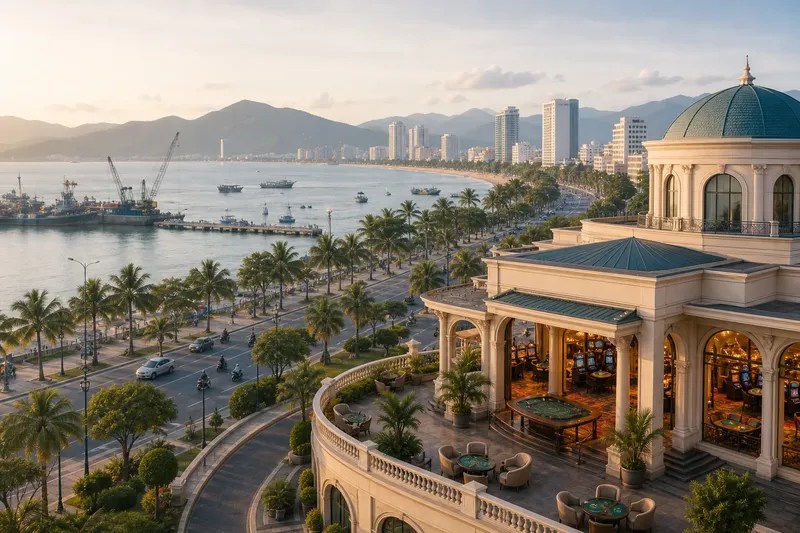
The common mistake in describing Nha Trang casino culture is treating a coastal setting as proof that gaming grew out of maritime life. The distinction matters because a shoreline can shape a city’s atmosphere without explaining a business’s origins.
What does Nha Trang’s coastal setting tell you?
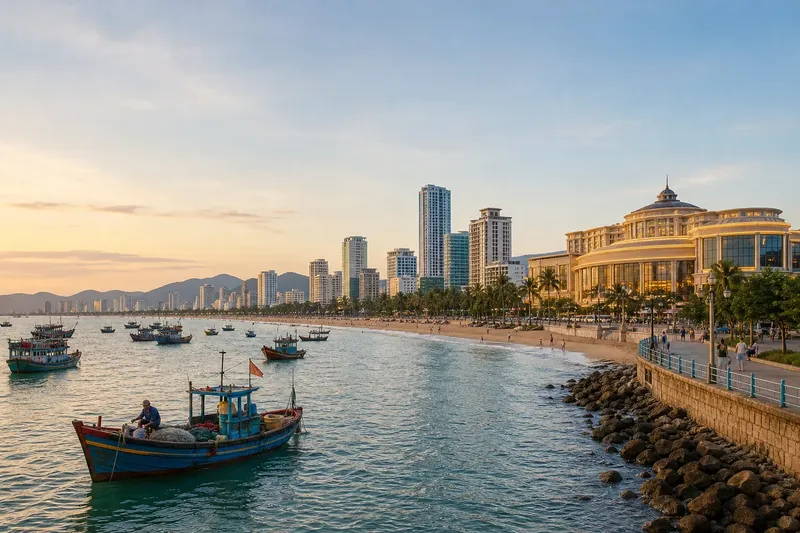
A waterfront gives a place a recognizable setting: sea-facing streets, shoreline views, and nearby visitor activity. Those details can help describe how a leisure venue fits into its surroundings, but they do not establish who operates it, what it offers, or how it came to be.
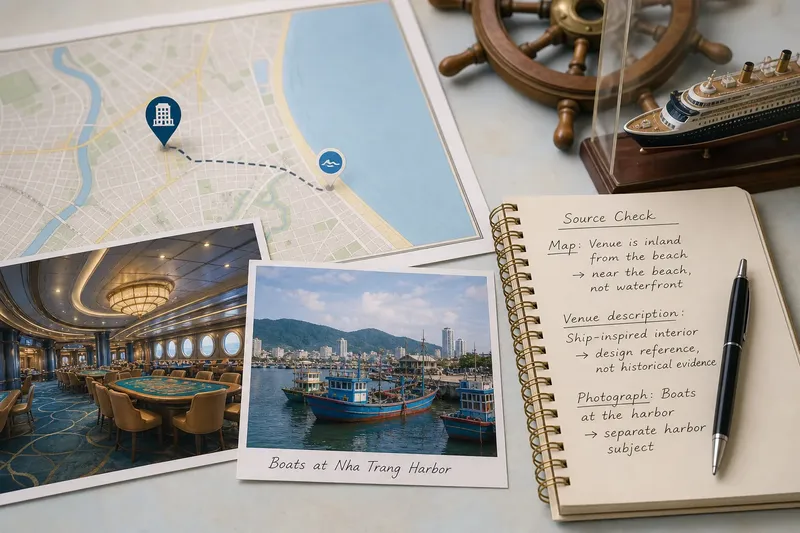
For a grounded account, name only the relationship the evidence supports. A current map can locate a venue; a dated local record may document a past event; a venue’s own materials can show how it presents itself. Each source answers a different question.
How do working waterfronts differ from visitor leisure?
Working waterfronts are places where activities tied to the water take place, such as vessel movement, fishing, or trade. Visitor leisure is a separate part of urban life, even when it occupies the same broad coastal district. The two can coexist without one causing or defining the other.
That distinction also helps avoid turning a general description of sea travel into a claim about a particular venue. A record about a route or harbor activity supports only the people, places, and period it actually identifies. It does not automatically explain the history of nearby entertainment.
What can each kind of source establish?
- Map: If a current map places a venue near the shoreline, describe its location; if the map is unclear or outdated, check a newer map before calling it waterfront-based.
- Venue information: If current official materials describe an offering, attribute the description to the venue; if the details are missing or stale, leave the offering unspecified until a current source is available.
- Harbor notice: If a notice names an activity and place, describe that activity within the notice’s stated context; if it does not connect the activity to a venue, do not imply a link.
- Local history: If a historical account identifies a specific period and institution, keep the claim within that scope; if accounts differ, describe the disagreement rather than choosing an unsupported version.
- Route record: If a dated record names a route and the communities it connects, describe that documented connection; if it does not mention a venue or its people, leave the venue out of the route’s story.
- Promotional material: If a brochure calls a venue maritime-themed, identify that as the brochure’s language; if no independent historical source supports the description, do not present it as an origin story.
How do you assess a Nha Trang casino culture claim?
Does a shoreline location prove a maritime origin?
No. It establishes a setting, not why a venue opened or how its customs developed. Those historical claims require records that address the venue or its participants directly.
Can a harbor record explain a nearby leisure business?
Only if the record makes that connection. Otherwise, it documents the harbor activity it names, while the leisure business remains a separate subject.
What does a venue brochure tell you?
It shows how the venue describes itself to prospective visitors. Historical language in a brochure should be attributed to the venue unless another source independently supports it.
How should you handle unclear or conflicting accounts?
State what each account says and where its evidence stops. If the difference affects the central claim, consult another relevant record or omit the disputed detail.
What would a careful account look like?
Imagine a writer starts with three hypothetical items: a city map that places a leisure venue near the bay, a harbor notice naming a local activity, and a brochure describing the venue as maritime-themed. The writer records the map’s location claim, summarizes only the activity named in the notice, and attributes the theme to the brochure.
Next, the writer checks each item for a direct link between the venue and the harbor activity or a named sea route. If none supplies that link, the resulting account describes a coastal leisure setting alongside documented waterfront work, but does not claim that the work produced the venue’s culture. The tradeoff is a narrower story, yet every sentence has a clear evidentiary basis.
Use “Nha Trang casino culture” to name the leisure subject, then qualify specific claims by their source and scope. That small habit keeps the waterfront vivid while leaving maritime history to the records that actually document it.