Why Nha Trang’s Coastal History Matters to Its Casino Culture
Nha Trang casino culture makes more sense when its coastal history is treated with care; distinguish leisure venues from maritime work, travel, and tourism.
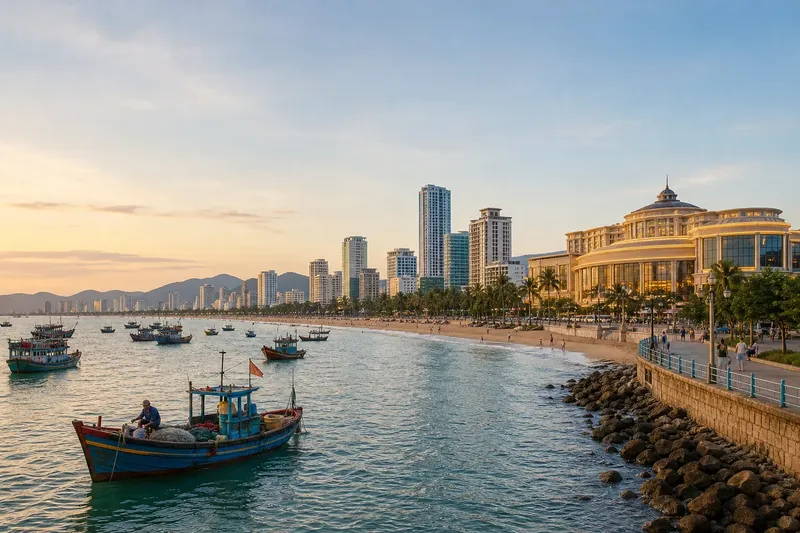
The common mistake in describing Nha Trang casino culture is to let one leisure venue stand in for the city’s whole relationship with the sea. That shortcut can erase the differences between coastal work, travel, public shoreline, and visitor entertainment. A sound account keeps those subjects distinct and makes each connection specific.
What does Nha Trang’s maritime identity mean?
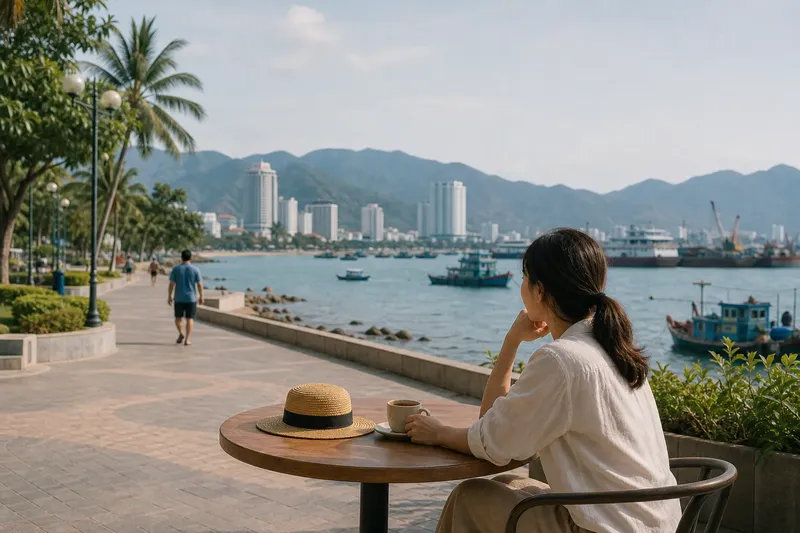
Maritime identity is the way a place’s history, work, movement, and daily routines relate to the sea. The phrase does not mean that every business near the coast belongs to the same tradition. In Nha Trang, it is more useful to name the particular subject—such as fishing, boating, coastal transport, tourism, or public use of the shore—than to treat “the maritime” as one undivided story.
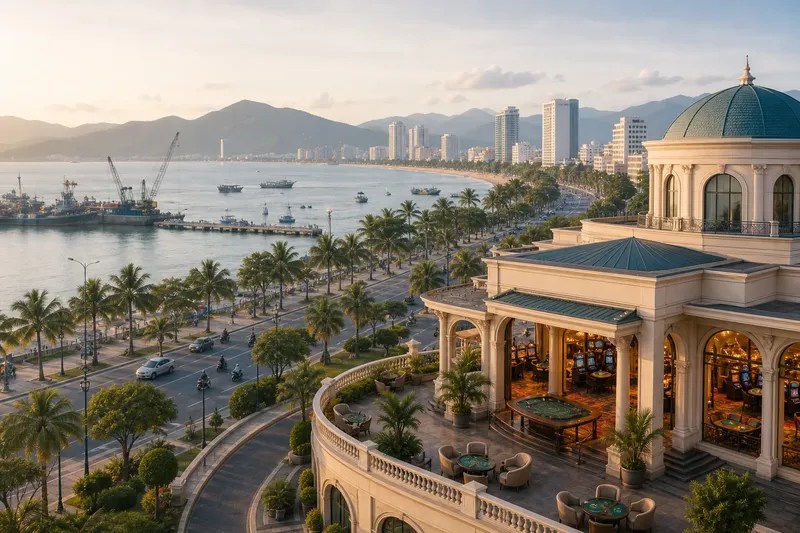
That distinction matters when casino culture enters the account. A casino is an indoor leisure venue; its coastal setting may help explain its location or its place in a visitor’s evening, but location alone does not make it part of maritime heritage. Claims about a deeper connection need identifiable evidence, such as a documented history or a specific local practice.
How should tourism and casino leisure be placed in the same account?
Tourism can bring together lodging, restaurants, beach visits, transport, and indoor entertainment, but those activities do not share one history simply because visitors may encounter them on the same trip. Describe the actual relationship: a venue’s location, a route a visitor takes, or a documented link to a local activity. If that link is not established, say that the activities coexist rather than implying one explains the other.
It is also easy to make a casino carry too much meaning. Its presence may prompt questions about changing commercial and leisure spaces, but it cannot by itself explain a city’s wider transformation. A broader interpretation needs other relevant changes and clarity about whose experience the account represents.
How can a writer describe the waterfront without overstating a connection?
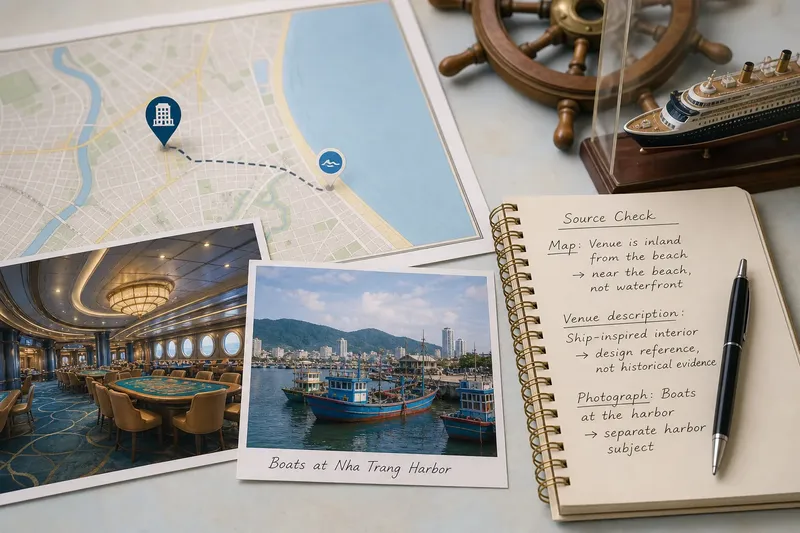
Separate what is observable from what is inferred. A nearby shoreline, an ocean-themed interior, or a route through a coastal district can be described directly. None of those details, alone, establishes a relationship to fishing communities, local boating, or maritime history.
- If the venue uses boat or ocean imagery, check whether a specific local practice is documented; if it is, describe that practice separately, and if it is not, identify the imagery as a design choice.
- If the account mentions a waterfront route, check whether its connection to the venue is known; if it is, describe the access plainly, and if it is not, say only that both places are in Nha Trang.
- If fishing appears beside casino leisure, check whether the passage explains fishing as work with its own setting and purpose; if it does, keep the accounts distinct, and if it does not, remove fishing as decorative background.
- If tourism is offered as the link, check which visitor activities are specifically connected; if a connection is documented, name it, and if it is not, describe tourism and casino leisure as separate activities.
- If the casino is described as evidence of urban change, check for other changes and perspectives that support the claim; if they are available, place the venue among them, and if they are not, frame the point as a question rather than a conclusion.
- If a sea route is mentioned, check whether it refers to passenger travel, freight, or local boating; if its purpose is known, name it, and if it is not, avoid implying that it leads directly to casino visits.
What can sea routes explain about Nha Trang?
A sea route can refer to passenger movement, freight, or local boating. Naming the type matters because each has a different purpose; a general reference to “the route” can leave readers unsure what is being described. A maritime connection does not, by itself, explain a visitor’s choice of entertainment.
Imagine a writer is given three invented details: a visitor arrives by road, spends time at a public coastal space, and later chooses an indoor casino. The writer records the starting point as land travel, describes the coastal stop as public recreation, and identifies the casino visit as indoor leisure. The resulting passage can describe this single itinerary, but it should not claim a sea route brought the visitor there or present the sequence as typical of residents.
What do readers often ask about Nha Trang casino culture?
Does a coastal setting make casino culture maritime culture?
No. A coastal setting gives context, but a cultural connection needs a specific history, practice, or interpretation. Ocean imagery alone does not establish a relationship to fishing or coastal travel.
How can tourism be distinguished from waterfront work?
Name the activity and setting rather than grouping every coastal experience together. Visitor recreation, fishing work, and routine public use of the shore may coexist while serving different purposes.
What can sea routes tell readers?
They can describe forms of movement and connection between coastal places. A route alone cannot explain why a person visits a casino or how residents understand the venue.
Can a casino represent urban change?
It can be one subject in a discussion of commercial and leisure spaces. A broader claim needs other relevant context and a clear account of the perspective being represented.
How can a short account keep its claims in proportion?
Match the scope of the writing to the evidence available. A description of an interior can explain how one venue presents leisure; a street-level account can describe its relation to nearby public spaces. A history of Nha Trang’s coast requires context about the particular maritime work, travel, or tourism being discussed, rather than using a casino as a stand-in for that history.
For a clear account of Nha Trang casino culture, treat coastal history as context with its own subjects and chronology. Describe the venue accurately, name any documented connection, and leave unrelated parts of the city’s maritime life room to stand on their own.